

Journey in Caregiving
Helpful tips for family caregivers
July/August 2019
This month we explore the strategy of “therapeutic fibbing.” Rather than push a loved one with dementia to accept our reality, sometimes it’s simply kinder to jump into theirs and respond in ways that provide comfort and reassurance. On a different tack, we also look at ways to make the best of a dreaded circumstance: when your loved one receives a life-threatening diagnosis. And last, we offer tips for choosing a personal emergency response system. One size does not fit all.
 Mom taught you to always tell the truth. But in the context of caring for someone with memory loss (dementia), honesty may not always be the best policy. There may be times when the kindest strategy—the one that reduces your loved one’s anxiety or fear—is to omit the truth or bend it a little. This is called “therapeutic fibbing.”
 If a person you care for receives a serious diagnosis, it can feel like a gut punch—for everyone in the family.
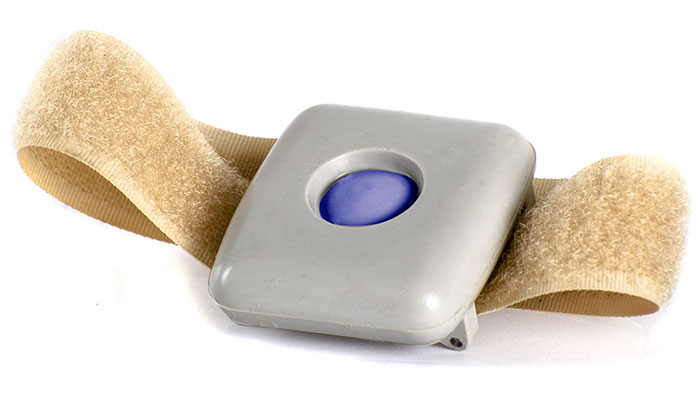 A personal emergency response system (PERS) can provide peace of mind if the person you care for lives alone. There are many factors to consider when shopping for a device.