At Guardian Angel Hospice, we understand the pressures you are under as a family caregiver. This blog is designed to support you in the incredibly important work that you do.
As the North Central Indiana experts in family caregiving, we have resources, tips and information that can make your life much easier.
If you would like help, give us a call at: 800.338.4043.
Essential tremor is a common but often misunderstood condition affecting many older adults. It causes involuntary shaking that is non–life threatening but can certainly affect your loved one’s quality of life. Learn more about how to get a diagnosis and explore treatment.
April 16 is National Healthcare Decisions Day! You’ve probably heard of the Golden Rule, but do you know about the Platinum Rule? If you’re in charge of making decisions on behalf of an older adult, this motto can be a compass for you as you navigate that role.
Being a family caregiver means balancing love and support with the weight of responsibility. Don’t forget to treat yourself with the same kindness you show others! Instead of self-criticism, try compassion. Research shows it helps you cope better, stay positive, and even take better care of your health.
Life is unpredictable. There’s a good chance that at some point the person who takes care of your aging loved one—whether that’s you or someone else—will have an emergency. By creating a backup plan, you take control and ensure your loved one is cared for, even when the unexpected occurs.
Taking care of an older adult can be deeply rewarding … and it can also come with challenges. It may be hard to admit to frustration, but it is a very normal feeling. Learn some ways to reduce and manage those tough moments.
If your relative isn’t improving with their current treatment, it could be a sign of a misdiagnosis. If something doesn’t feel right, it’s important to trust your instincts and consider asking for a second (or third!) opinion.
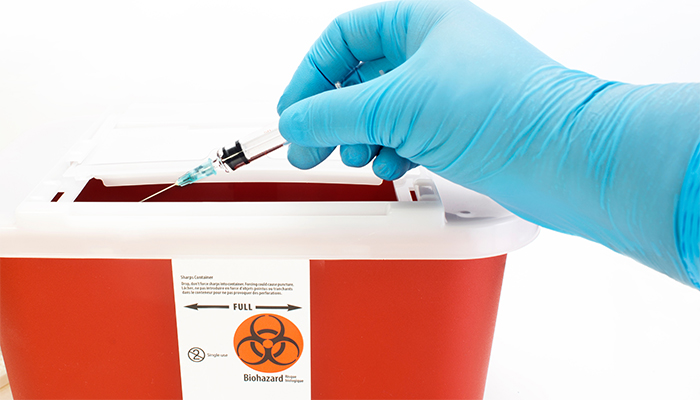
Need to dispose of needles or lancets as part of caring for a loved one? Proper disposal is crucial to prevent injury and protect public health. Stay safe, stay responsible, and ensure sharps don’t end up in places they shouldn’t be!
A decline in your loved one’s cognitive abilities doesn’t necessarily mean they lose their need for activity and mental stimulation. It’s important to find ways to keep them engaged, no matter what stage of dementia they are in.
In honor of American Heart Month, we take a look at the symptoms of a heart attack. Some of them are not well known and differ between men and women. Understanding the warning signs can save lives.
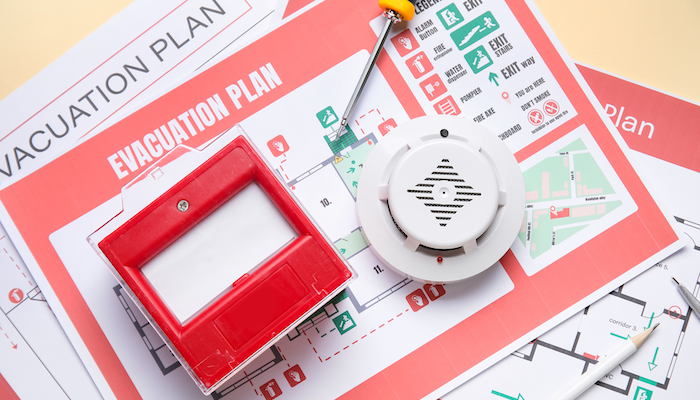
With National Burn Awareness Week in February, it’s a good time to focus on fire safety. Is there a fire escape plan for the older adults in your life? Preparing for an emergency can save lives.